Environment
Chemicals Materials
Battelle Researchers Demonstrate Biotech Breakthrough for Rare Earth Element Separation
A new protein-based method could revolutionize the processing of critical minerals essential for modern technology.

As demand for critical minerals rises due to the growth of artificial intelligence, advanced electronics, electric vehicles, and energy technologies, researchers are increasingly seeking innovative solutions to secure the materials that drive modern economies. Battelle scientists have unveiled a promising biotechnology-based approach aimed at tackling one of the most significant supply chain challenges in the U.S.: rare earth element processing.
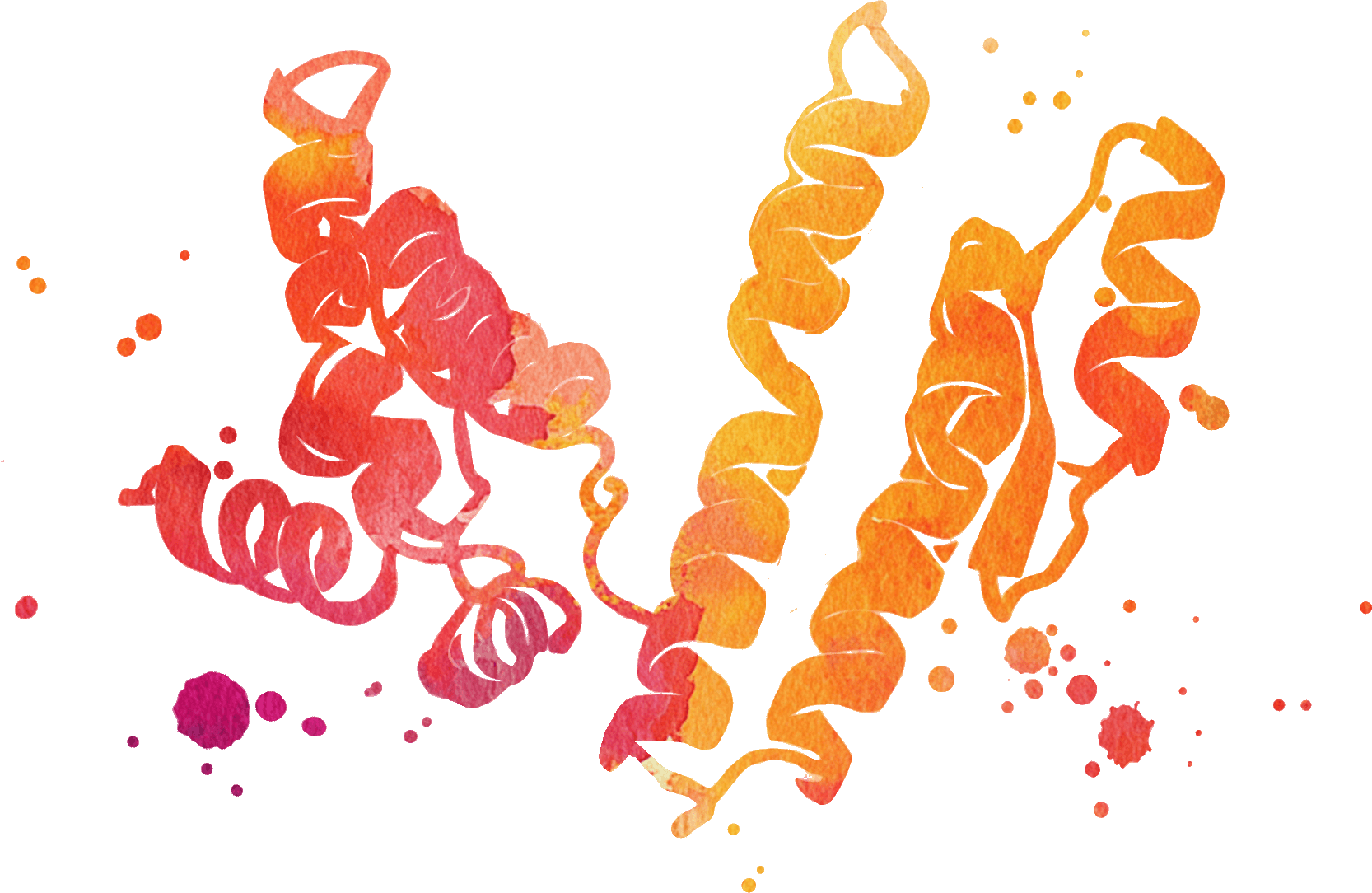
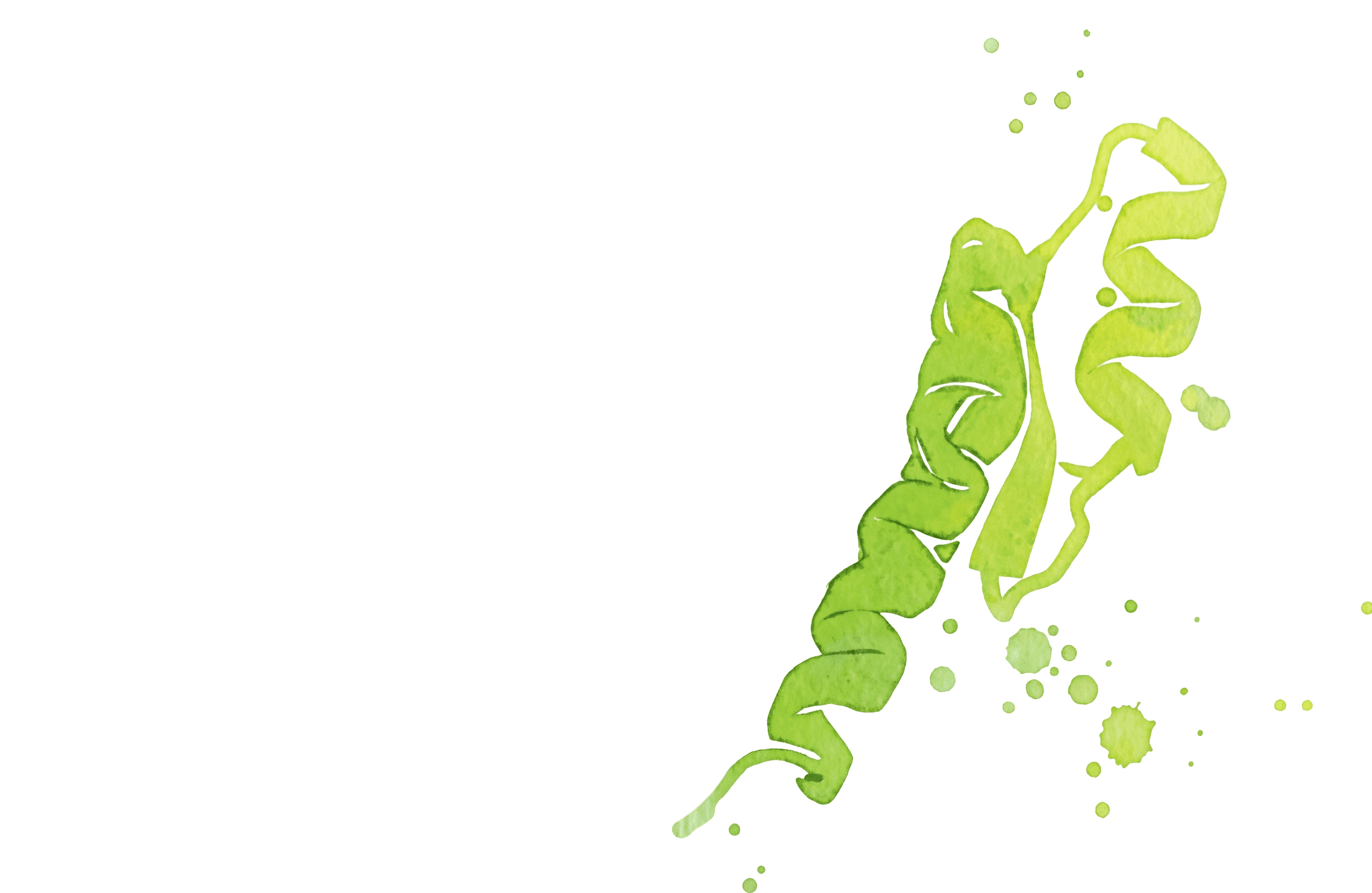
In a study published in Chemical Science, Battelle researchers and their collaborators demonstrated that engineered calcium-binding proteins can selectively separate rare earth elements with high purity and yield. This research provides a potential alternative to traditional rare earth processing methods and marks a significant advancement in the application of biology for critical mineral recovery. The team achieved single-stage, chelator-free separation of lanthanum and neodymium, boasting more than 90% purity and yield while effectively removing non-rare-earth ions from simulated leachate streams and industrial feedstock materials.
This breakthrough comes at a time when policymakers, manufacturers, and technology companies are increasingly focused on reinforcing domestic supply chains for critical minerals, which are essential for clean energy systems, advanced manufacturing, consumer electronics, and national security technologies.
"America's critical minerals challenge is often viewed through the lens of engineering chemistries, but biology may offer an important new part of the separations and recovery solution," said Dr. Kate H. Kucharzyk, Research Leader at Battelle’s Operational Biotechnologies Division. "Our research demonstrates how engineered proteins can selectively recognize and separate rare earth elements with remarkable precision. By leveraging biological mechanisms, we have the opportunity to create more efficient and potentially more sustainable approaches to recover these vital resources."
Rare earth elements are crucial for the production of permanent magnets used in electric vehicles and wind turbines, as well as in components found in smartphones, advanced electronics, defense systems, and emerging AI infrastructures. However, the separation and purification of these elements remain among the most complex and costly steps within the supply chain, even as demand continues to escalate.
Battelle's innovative approach takes cues from nature, as the team engineered calcium-binding peptides that selectively interact with specific rare earth elements, enabling a highly targeted separation process that can differentiate between chemically similar materials that typically require multiple processing steps.
The research signifies a growing convergence of biotechnology, materials science, and advanced manufacturing—fields increasingly recognized as vital to U.S. competitiveness in strategic technology sectors.
Supported by the Defense Advanced Research Projects Agency's (DARPA) Environmental Microbes as a Bioengineering Resource (EMBER) program, Battelle researchers are optimistic that this protein-based technique holds significant promise for future scale-up and commercialization efforts, potentially leading to more environmentally friendly and efficient rare earth separation technologies.
As the global competition for critical minerals intensifies, Battelle remains committed to exploring transformative solutions at the intersection of biology, chemistry, and engineering.
"Critical minerals are essential to the future of energy, computing and national security," Kucharzyk emphasized. "By bringing biotechnology into the conversation, we're expanding the range of solutions available to strengthen domestic supply chains and support future innovation."