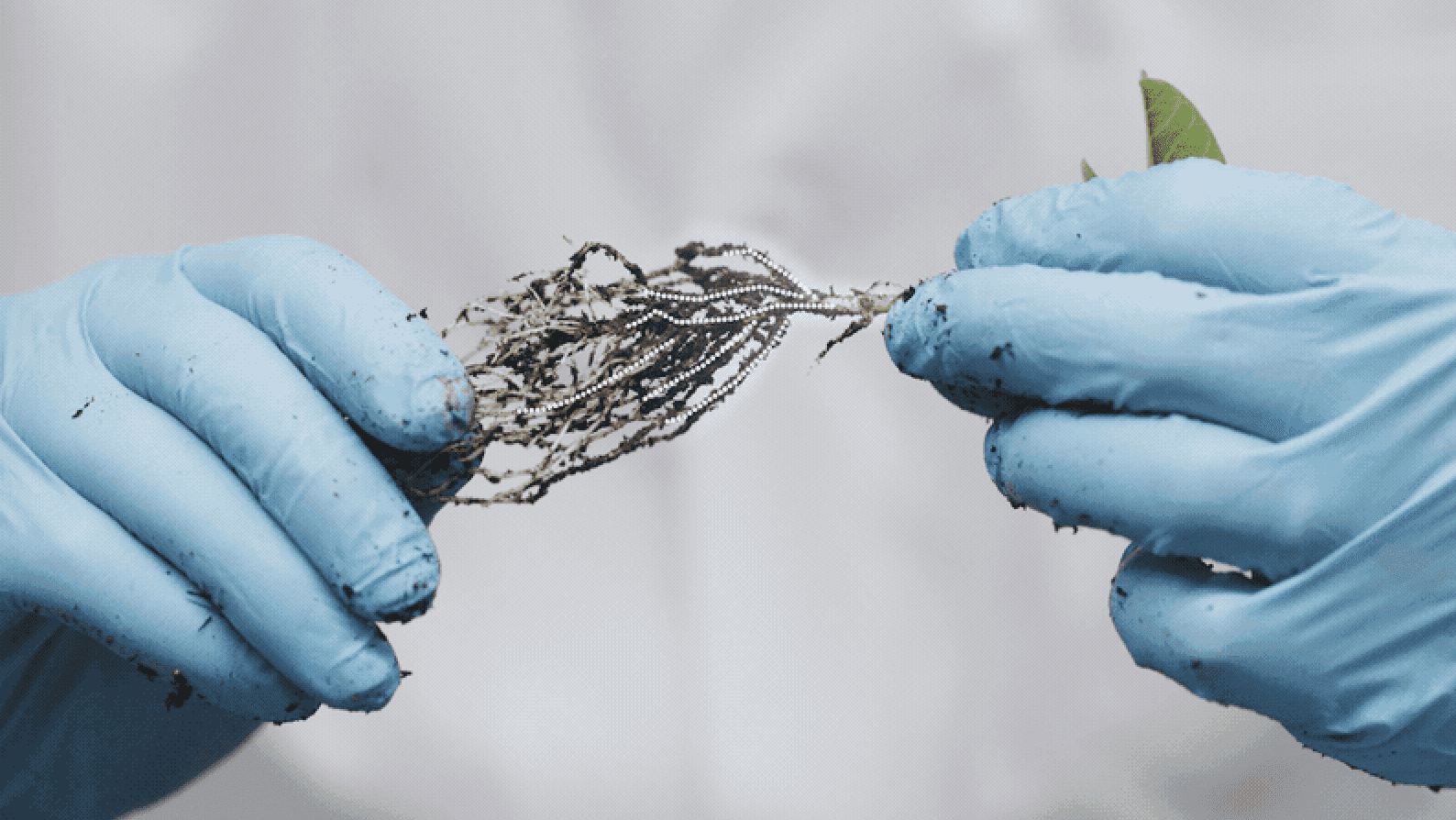
Neion Bio, the New York company that engineers hens to make biologics in their eggs, will partner with Barnwell Bio to use its avian biosurveillance technology. Barnwell will track the health and microbial environment of Neion's flocks as Neion scales its Raptor manufacturing platform.
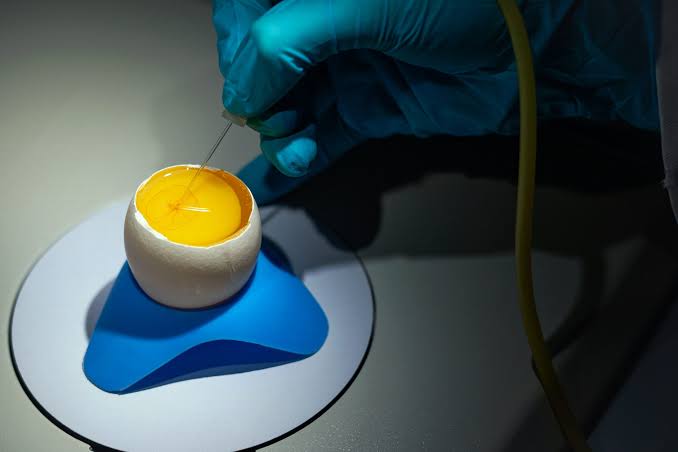
The deal follows from how Neion makes drugs. Its platform programs hens to express recombinant proteins, including monoclonal antibodies, enzymes and fusion proteins, directly in egg whites. That swaps steel bioreactors for animals and turns flock health into a manufacturing variable. In a conventional plant, contamination is an event in a tank. In Neion's, it is an event in a barn.
Neion argues the animal model also brings something steel does not.
"One of the advantages of the Raptor platform is that it can create a level of redundancy in biologics manufacturing that is difficult to achieve with traditional bioprocessing. We are not dependent on a single large bioreactor or manufacturing site. At the same time, the health of the flock remains critically important to the productivity and reliability of the system," said Dimi Kellari, cofounder and CEO of Neion Bio in an exclusive conversation with Synbiobeta.
Barnwell works at the level of the population rather than the bird. Instead of testing individual animals for named pathogens, it sequences environmental samples and, the company says, turns hundreds of thousands of data points into a microbiome fingerprint for each facility. Barnwell says that fingerprint can flag a pathogen spike ahead of other methods. "We have been able to find unusual pathogen loads in the environment weeks ahead of clinical signs," said Michael Rhys, cofounder and CEO of Barnwell Bio.
"Barnwell gives us a way to continuously monitor the health environment around the birds, identify potential issues early, and take action before they affect flock performance," said Dimi Kellari, cofounder and CEO of Neion Bio.
The approach comes straight from pandemic surveillance. Barnwell says its founding team helped build the national COVID-19 wastewater monitoring system, and its January seed release names cofounder and COO Casey McGinley as part of that effort.
"Monitoring COVID-19 in wastewater consistently produced valuable signal on how the virus was spreading weeks ahead of reported cases and hospitalizations. At Barnwell Bio, we often identify elevated pathogen load in the barn environment ahead of clinical signs, giving producers early visibility into animal health and the data they need to act," said Michael Rhys, cofounder and CEO of Barnwell Bio.
Barnwell, in its January funding announcement, put the cost of bird flu to the US economy at $14 billion across 2024 and 2025. Barnwell raised a $6 million seed round in January led by Twelve Below. Poultry is its starting market, with swine, dairy and aquaculture named as extensions.
The timing tracks Neion's own scale-up.
"As Neion moves from platform development toward larger-scale production, biosecurity and flock health become increasingly important. Barnwell already has a system capable of providing actionable information in real-world poultry environments, so we are able to incorporate that capability into our manufacturing strategy now rather than having to develop it ourselves," said Kellari.
Neion, which SynBioBeta profiled in April, emerged from stealth in March with a co-development and supply agreement with an unnamed major pharmaceutical company covering up to three monoclonal antibodies. It raised about $11 million in seed funding led by Caffeinated Capital, then a $23 million Series A in June, again led by Caffeinated. Neion says its approach can cut cost of goods by up to 10 times and capital spending by up to 100 times against conventional manufacturing. Those figures have not been independently shown.
The fit is simple on paper.
"Neion uses chickens to manufacture recombinant proteins. Barnwell provides the intelligence needed to understand and protect the health environment in which those chickens live," Kellari added.
Both companies are based in Manhattan, an unusual address for chicken biology, and a test of how far New York's life sciences push reaches beyond therapeutics and diagnostics. That push has lost some institutional support. In June, Crain's New York Business reported that the city's economic development agency had cut its life sciences workforce, raising fears about the industry's growth. The mayor's office did not respond to a request for comment on the partnership.
For operators, the question is whether an animal-based process can offer the control that partners and regulators expect of a bioreactor. A biologics process is defined by what it measures. Neion says the first year is about building that record.
"Over the next 12 months, our priority is to integrate that monitoring into our operations, establish a baseline understanding of the flock environment, and use the resulting data to support biosecurity, animal health, and ultimately manufacturing performance," Kellari said.
Whether early warning turns into fewer lost batches, and whether a longitudinal flock record carries weight with a pharma partner and eventually a regulator, is what the next two years will show.