Ai Digital Biology
Meta to Open Source AI Models to Challenge Competitors
Meta is set to open source its latest AI model and introduce new models aimed at consumer devices, positioning itself against major players like OpenAI and Anthropic.
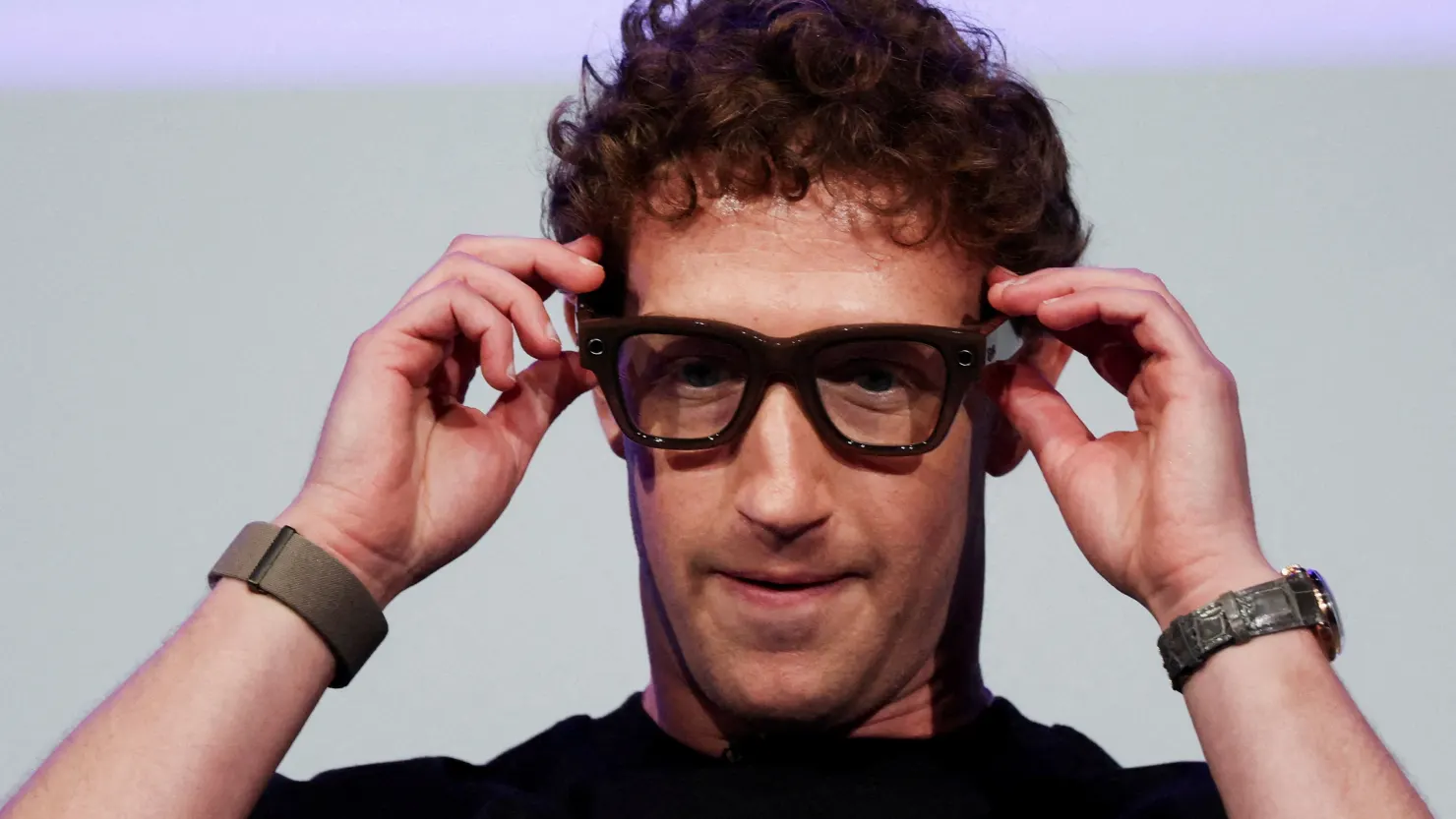
Meta has announced plans to open source its most advanced AI models and launch new consumer-focused models, aiming to compete with leaders such as OpenAI and Anthropic. CEO Mark Zuckerberg revealed in an Instagram video that the company would make the weights for its latest AI model, Muse Spark 1.2, available for public download. Weights are the calculations and rules that dictate the AI's functionality and behavior.
Additionally, Zuckerberg mentioned the introduction of a new family of open-source models named Muse Glimmer, specifically designed to operate on laptops. In premarket trading, Meta shares rose by 2.1%, although they have seen a decline of around 10% throughout the year as investors express concerns regarding the company's spending and its ability to compete with top AI firms. Zuckerberg is keen to assure investors that the Meta Superintelligence Labs, established last year, is making significant progress, despite a projected capital expenditure of up to $145 billion this year.
Meta's decision to focus on open-weight AI comes as competitors like Anthropic and OpenAI primarily utilize closed AI models. In contrast, Chinese companies such as Alibaba and DeepSeek have aggressively introduced open-weight models that have begun to rival the technology produced by U.S. firms. In a lengthy essay on AI published on the same day, Zuckerberg framed Meta’s strategy as a response to the competitive edge that Chinese open-source technology currently holds, urging Washington to bolster American efforts.
“Foreign labs currently hold several advantages here since American labs have to comply with many additional restrictions on training data. US policy must reduce this additional friction if we want American open source models to lead over time,” Zuckerberg articulated in the essay. He emphasized that restricting access to foreign open-source models is not a viable solution, advocating instead for American models to excel globally.
Neil Shah, co-founder at Counterpoint Research, supported this perspective, stating, “If Western tech giants only build walled gardens, developers and enterprise builders will naturally pivot to Chinese open-weight models. Most of its competitors in the USA are proprietary and there is an insatiable demand for non-Chinese open models and weights and Meta can fill in this void well.”
Muse Glimmer offers a distinct advantage by enabling AI processing on consumer devices rather than relying on costly cloud data centers. This approach could lead to reduced costs and improved speed for users. “Bringing small, agentic models like Muse Glimmer directly onto PC and mobile hardware bypasses cloud compute costs to outcompete Google, Microsoft and others on the end-user’s device,” Shah explained.
Zuckerberg also called for a reevaluation of U.S. policies regarding AI, particularly in areas like distillation and data usage for training. Distillation, which involves using outputs from advanced AI models to train new ones, has drawn criticism from some lawmakers who view it as a form of intellectual property theft. He cautioned against the centralization of AI power in a few companies, implicitly targeting OpenAI and Anthropic.
“Still, it is surprising that the discourse from many developing AI is so filled with doom. I do not understand why anyone who believes that AI will eliminate most jobs and much of humanity’s relevance would rush to build that future,” Zuckerberg remarked. He further asserted, “The notion that AI is so dangerous that the only safe path is an extreme concentration of power seems inherently problematic.”
Zuckerberg shared his vision for the future of AI, suggesting that rather than concentrating superintelligence, it should be distributed widely. “This has the potential to begin a new era of personal empowerment where individuals can use this powerful new capability to reach their full potential, pursue their interests, and improve their lives and the world more than ever before,” he stated. He concluded by highlighting that, “Everyone will have an exceptionally capable personal agent that understands you, your goals, and everything you care about.”