Network Bio Launches with $50 Million Financing and World’s Largest Patient Tissue Training Dataset
Network Bio is redefining the landscape of personalized medicine with its groundbreaking AI models and extensive patient tissue dataset.
Network Bio, a pioneering biotechnology firm dedicated to developing disease-specific AI models from human biological data, has officially launched with a robust financing round of $50 million. Backed by investors such as Section 32, Thiel Bio, Founders Fund, Breyer Capital, Blue Venture Fund, and JSL Health Capital, this funding will bolster the expansion of Network Bio’s innovative life science platform.
The company's mission is to create AI models tailored to specific diseases by utilizing a vast array of tissue, blood, molecular, and clinical datasets. The extensive collaboration with prominent U.S. academic biobanks enables Network Bio to generate an unparalleled disease-focused dataset that supports advancements in human health.
Through partnerships with esteemed academic medical centers like Mass General Brigham, the University of Pennsylvania, and the University of Colorado Anschutz, Network Bio has established a comprehensive research network of biobanks. The implementation of standardized selection criteria, sample quality benchmarks, and data harmonization across these institutions allows for the creation of “AI-ready” datasets. This integration of patient tissue samples, blood samples, and longitudinal clinical outcomes facilitates data generation at an unprecedented scale.
Asad Ali Ahmad, Ph.D., CEO and Co-Founder of Network Bio, shared insights into the company's vision: "Every patient leaves a barcode of their disease in their tissue, and until now no one has been able to read those barcodes at scale. Working with the biobanks of some of the country's leading academic medical centers, we built the network that makes reading them possible. We then built an AI platform that is already finding signals in conditions it was never trained on. This is the future of medicine."
Kimberly Muller, Chief Innovation Officer at CU Anschutz Innovations, emphasized the significance of this collaborative effort: “No single academic medical center can capture the full complexity of human disease. By bringing together biobanks from leading institutions with industry partners, Network Bio is creating a research resource that reflects diverse patient populations and supports discoveries that can translate into real-world clinical practice.”
Network Bio’s AI infrastructure is designed to learn biological principles that transcend individual diseases, tissues, and data types. The company’s vertically integrated platform comprises two key technologies: a biological research network that compiles and structures data from leading academic centers, and a bio-native AI architecture tailored to interpret multimodal biological data.
The platform has already shown promise across various disease domains, with published findings in respiratory diseases and ongoing studies in ovarian and bone diseases. This adaptability showcases Network Bio's ability to leverage its AI capabilities even in scenarios with limited datasets.
A notable highlight for Network Bio is its strategic collaboration valued at over $30 million with a Fortune-100, top-10 healthcare company, aimed at developing next-generation AI models. Mike Pellini, M.D., Managing Partner at Section 32 and Chairman of Network Bio's Board of Directors, remarked, “Medicine is approaching an inflection point where AI can fundamentally change how biomedical discovery is done. What differentiates Network Bio is the combination of the network of academic medical center biobanks with an AI architecture built for medicine. Rather than building models one disease at a time, the company is building General Medical Intelligence that becomes more capable with every new biological question it answers.”
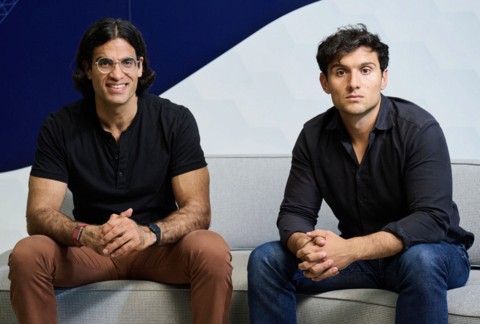
Co-founders Hani Goodarzi, Ph.D., and Raphael Potter articulated their foundational belief: “We built Network Bio based on the belief that AI and data hold the keys to advancing the human condition. We have been focused tirelessly on the dual mandate of gaining access to the tissue datasets which explain disease and building the AI systems capable of interpreting the complex results.”
Morgan Cheatham, M.D., Partner at Breyer Capital, added, “Clinical care is the largest biological experiment ever conducted, and we have no system for learning from it at scale. Network Bio pairs deep molecular and clinical phenotyping with tissue and longitudinal outcomes at leading US academic medical centers. The platform enables fundamental mechanistic understanding of human health and disease, compounding at every layer of the stack: data, intelligence, diagnostics, therapeutics.”
About Network Bio
Network Bio is at the forefront of biotechnology, developing disease-specific AI models from human biological data to enhance personalized medicine. Through collaborations with U.S.-based academic medical centers, the company integrates diverse data spanning various diseases, including immunology, metabolic disorders, cardiovascular issues, and auto-immune diseases. By merging this biological foundation with specialized AI, Network Bio aims to accelerate diagnostics, biomarker discovery, and drug development. For more information, visit www.network.bio.