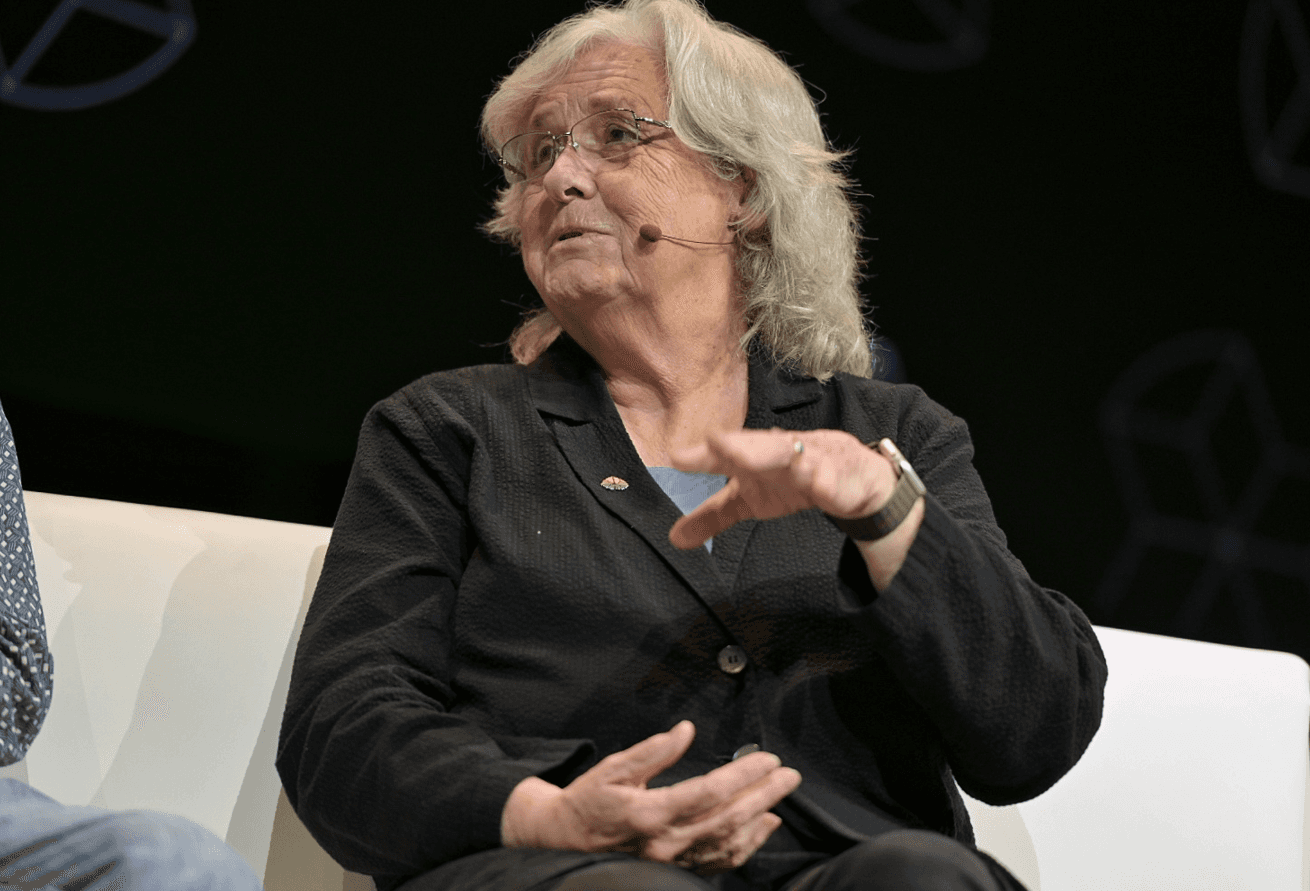
In an exclusive conversation ahead of their appearance at SynBioBeta 2026 on May 4-7th in San Jose, we sat down with Jeanne Loring to learn about a decade of stem cell biology and its application to Parkinson's, an effort that has now reached the brains of eight patients and shows early signs of doing what no approved therapy can. Loring co-founded Aspen Neuroscience with her former postdoc to build the first autologous iPSC-derived cell therapy for Parkinson's disease. On March 18th in Copenhagen, the company reported that the approach is working.
At the AD/PD 2026 International Conference, Aspen presented twelve-month data from the first eight patients in its Phase 1/2a ASPIRO trial of Sasineprocel, the investigational therapy previously known as ANPD001. Across both the low and high dose cohorts, patients gained an average of roughly 2 hours of additional Good ON time per day. MDS-UPDRS Part III OFF scores dropped by 15.5 and 13.5 points. Quality-of-life scores on the PDQ-39 improved by 51.6 percent in the low dose group and 28.5 percent in the high dose group. FDOPA PET imaging confirmed that the transplanted cells survived and engrafted. No serious surgical adverse events were reported, and no severe graft-induced dyskinesia was observed. Several patients also reduced their Levodopa equivalent daily dose.
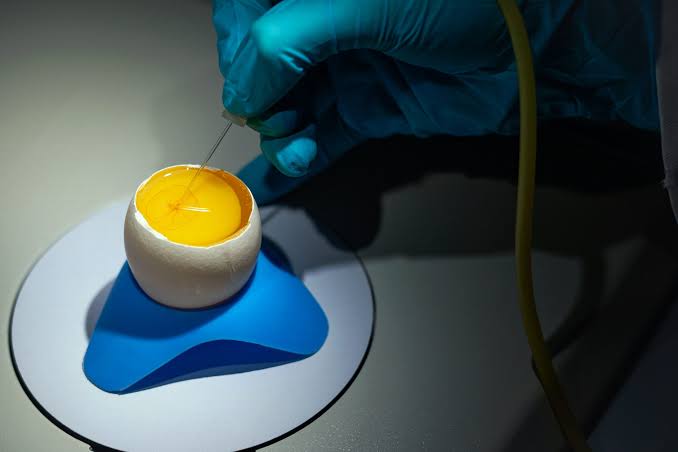
The therapy starts with a skin biopsy from the patient, which Aspen reprograms into induced pluripotent stem cells and then differentiates into dopaminergic neuron precursors. Those precursors are injected into the post-commissural putamen under MRI guidance through an occipital surgical approach. Because the cells are the patient's own, no immunosuppression is required.
"The patients are not yet cured of all symptoms of Parkinson's disease, but because the cells are autologous, they are expected to improve with time because the immune system will not attack them," Loring said.
That distinction sits at the center of Aspen's approach. Allogeneic stem cell programs for Parkinson's require chronic immunosuppression to prevent rejection of donor cells, which carries its own adverse events and monitoring burden. Aspen's autologous route sidesteps that trade-off, and Loring argues the real bottleneck has moved elsewhere.
"The rate-limiting step for this therapy going forward will be the neurosurgery. Surgeons need to be trained and certified," she said.
oManufacturing, she noted, is further along than it may look from the outside.
"Since the patient's iPSCs are generated before the clinical trial starts, there will be cells ready immediately upon approval. The manufacturing scheme has been established, with genomic quality control assays for every patient's cells. We established those before founding Aspen," Loring said.
Those assays, which Aspen calls PluriTest, NeuriTest, GraftTest, and DopaTest, use machine learning to flag off-target genomic changes at each stage of production. The company pairs the platform with a fourteen thousand square foot manufacturing facility in San Diego and a $115 million Series C closed in November 2025, led by OrbiMed, Arch Venture Partners, Frazier Life Sciences, and Revelation Partners, with a strategic investment from Gilead's Kite Pharma. Kite EVP Cindy Perettie joined Aspen's board as part of the round, a notable presence given Kite's own footprint in autologous cell therapy commercialization.
Aspen plans to initiate a Phase 3 trial later in 2026. Sasineprocel already holds Fast Track designation, and the World Health Organization published its International Nonproprietary Name in March. Loring sees the remaining work as delivery and reimbursement. The Center for Medicare and Medicaid Services will need to approve pricing for a therapy whose surgical component alone runs into the tens of thousands of dollars.
Fourteen patients have now been dosed in ASPIRO, including the third cohort using the commercial formulation. Winding back the epigenetic clock on a patient's own cells, then placing them where disease has taken its toll, is starting to look like a standard of care in waiting.