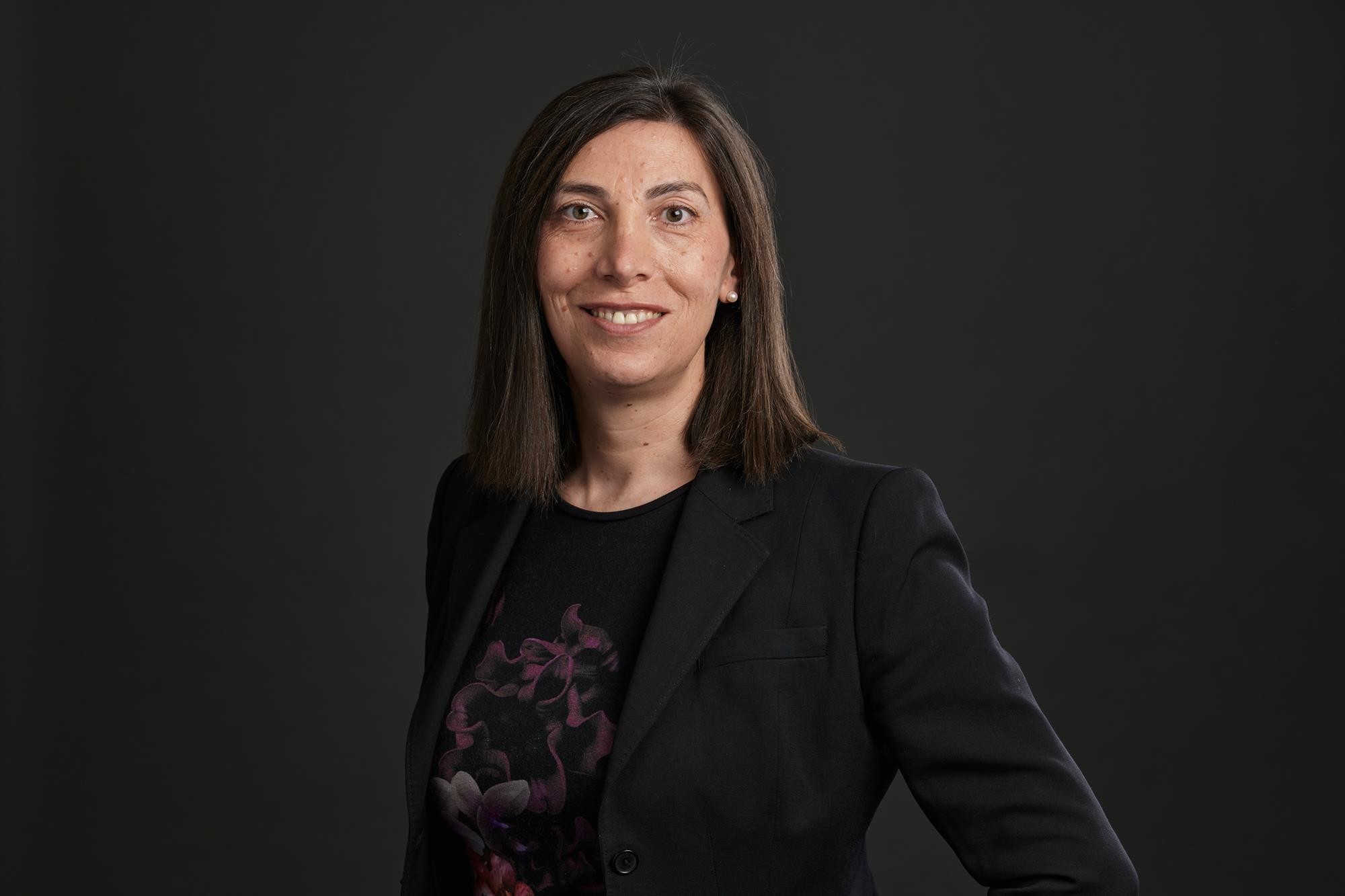
In an exclusive conversation ahead of her appearance at SynBioBeta 2026 on May 4-7th in San Jose, Emily Leproust previewed the talk she will deliver as the CEO and co-founder of Twist Bioscience, framing it as the story of a single decade-long argument. High-quality synthetic DNA, available at scale, unlocks what researchers across biology, medicine and beyond can engineer.
The talk, "From DNA to Data, Powering the AI Age of Biology," will trace Twist from its 2013 founding to its most exciting frontier yet. When the company started, DNA synthesis was slow, expensive, and out of reach for most researchers. Twist built a silicon-based platform that brought gene synthesis costs down sharply and, over the years since, Twist expanded into NGS, target enrichment, antibody discovery, and pooled gene synthesis at scales the field a decade ago would have called fantasy. The throughline she emphasizes is straightforward. An obsession with the customer and an unrelenting commitment to delivering on Twist's promises.
Her introduction to this work was as a graduate student at the University of Houston. She had to picked a chemistry lab, her PI Dr. X Gau was known as the toughest in the department.
"I have always believed that the choices you make early in life can shape your entire trajectory. That was one of those moments. I chose the harder path, and it exposed me to DNA as a chemical entity that could be built and controlled. That perspective stayed with me. It framed biology not just as something to study, but as something you can engineer. Something that could change the world," she said.
That perspective has scaled with the company. Twist now serves customers across therapeutics, diagnostics, industrial, applied, academic and government with a stated mission to enable an effectively unlimited supply of DNA so scientists can design, test, and iterate at a pace that was not previously possible. In therapeutics, the goal is to accelerate antibody discovery and biologics development. In diagnostics, it is precision and access in oncology and rare diseases. Beyond healthcare, it is sustainable materials, chemicals, agrigenomics and food systems built on engineered biology.
"If we can remove the technical barriers to engineering biology, we enable innovation across multiple industries at once. That is the real objective. Not just advancing DNA synthesis but unlocking biology as a foundational technology to address some of the world's most important problems," she said.
The talk lands at a moment Leproust has prepared Twist well for, the point at which AI-driven design begins demanding wet lab validation at industrial scale. Recent launches in pooled gene synthesis are aimed squarely at that workflow, and the broader thesis is the same one Twist has held since 2013. The pace of biology is set by the pace of design, build, test, and learn, and Twist's role is to make the build and test step disappear as a constraint.
"With AI transforming how sequence space is explored, the opportunity to connect synthesis directly to discovery has never been greater," she said.
What she wants the SynBioBeta audience to take away is the case for a smarter, faster cycle, and the infrastructure now ready to support it. After ten years of asking what the world would do with unlimited DNA, Leproust is making the case that the answer has finally caught up to the question.